
Otoplasty
IN TURKEY
Prof. Dr. Hasan Demirhan offers advanced otoplasty procedures in Turkey, helping patients achieve a more balanced and natural ear appearance. Also known as prominent ear surgery, otoplasty is carefully planned according to each patient’s ear structure, cartilage shape, and facial proportions to create symmetrical and harmonious results. Using modern surgical techniques and a personalized approach, Prof. Dr. Hasan Demirhan focuses on refined outcomes with minimal visible scarring and a comfortable recovery process.
What Is Otoplasty?
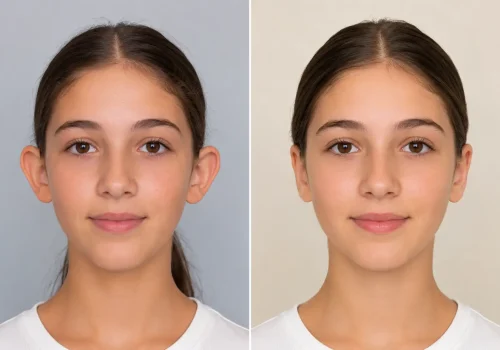
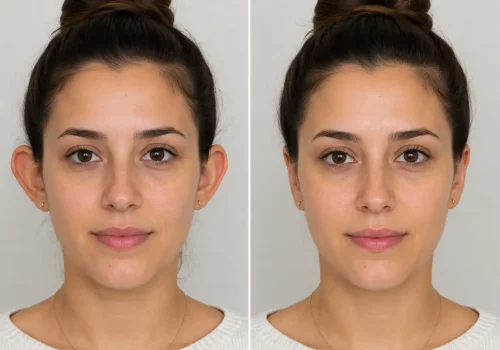
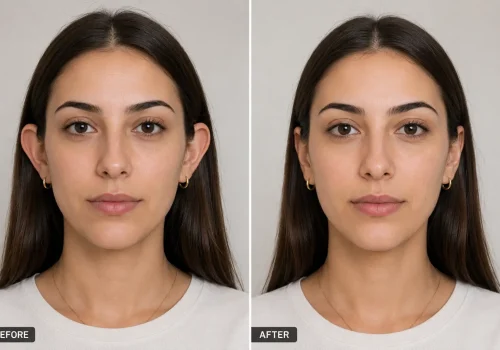
Otoplasty, commonly referred to as ear reshaping surgery or prominent ear correction, is a cosmetic procedure designed to improve the shape, position, or proportion of the ears. The procedure is most commonly performed to reduce the appearance of prominent ears that project outward from the head, helping create a more balanced and natural facial profile. Otoplasty can also correct ear asymmetry, misshapen cartilage, or deformities caused by genetics or injury.
If you feel that your ears appear overly prominent or unbalanced, otoplasty may be an ideal solution. Prof. Dr. Hasan Demirhan creates personalized treatment plans tailored to each patient’s ear anatomy, facial harmony, and aesthetic goals. Using precise surgical techniques and a patient-focused approach, he aims to deliver natural-looking, symmetrical results that enhance overall confidence and facial balance.
WHAT MAKES PROF. DR. HASAN DEMIRHAN SPECIAL?
Hear from Our Patients
How Much Does Otoplasty Cost with Prof. Dr. Hasan Demirhan?
The cost of otoplasty may vary depending on the complexity of the procedure, cartilage correction requirements, and the patient’s individual ear anatomy. Every otoplasty procedure performed by Prof. Dr. Hasan Demirhan is carefully customized to achieve balanced, natural-looking ear contours while preserving facial harmony.
During your consultation, a detailed ear and facial evaluation is performed to create a personalized treatment plan and provide comprehensive information regarding the procedure, recovery process, and expected results.
The total cost of otoplasty may vary based on several factors, including:
- Pre-operative medical assessments and ear analysis
- Surgeon’s expertise and individualized surgical planning
- Anesthesia and operating room expenses
- Hospital or clinic facilities and medical equipment
- Medications and post-operative care
- Complexity of cartilage reshaping and correction
- Combination with additional facial aesthetic procedures
Prof. Dr. Hasan Demirhan focuses on delivering refined, natural ear reshaping results while maintaining high standards of patient safety, comfort, and personalized care.
Benefits of Otoplasty with Prof. Dr. Hasan Demirhan
Aesthetic Benefits
- Creates a more balanced and proportionate ear appearance
- Reduces the prominence of outward-projecting ears
- Improves ear symmetry and overall facial harmony
- Refines the natural shape and contour of the ears
- Provides natural-looking and long-lasting results
- Enhances confidence in social and professional settings
- Allows hairstyles to be worn more comfortably
- Creates a softer and more harmonious facial profile
Functional & Lifestyle Benefits
- Performed with discreet incisions hidden behind the ears
- Minimally visible scarring after complete healing
- Long-lasting ear reshaping and cartilage correction
- Supports natural ear positioning and structure
- Suitable for both adults and children
- Provides improved comfort with glasses or accessories
- Personalized treatment planning for each patient
- Offers refined facial enhancement with manageable recovery
What Are the Different Otoplasty Techniques?
Traditional Otoplasty
Traditional otoplasty is performed through incisions placed behind the ears, allowing the surgeon to reshape and reposition the cartilage for a more balanced appearance. This technique is commonly preferred for correcting prominent ears and improving symmetry.
It is especially useful for:
- Correcting prominent ears
- Improving ear symmetry
- Reshaping ear cartilage
- Creating a natural ear position
This approach provides long-lasting ear reshaping while preserving natural facial harmony and proportions.
Cartilage-Sparing Otoplasty
Cartilage-sparing otoplasty reshapes the ears using specialized suturing techniques without removing large amounts of cartilage. This method creates softer and more natural ear contours while maintaining structural support.
Benefits of this technique include:
- Natural-looking ear contours
- Reduced cartilage trauma
- Preserved ear structure and flexibility
- Long-lasting and balanced results
Prof. Dr. Hasan Demirhan carefully tailors this method according to each patient’s ear anatomy and aesthetic goals.
Combined Ear Reshaping Procedures
Otoplasty may also be combined with other facial aesthetic procedures to achieve more comprehensive facial harmony and balance. Depending on the patient’s needs, treatments such as facial contouring or rhinoplasty may complement ear reshaping procedures. Combining treatments can enhance overall facial proportions and create more harmonious results.
Am I a Good Candidate for Otoplasty?
You may be a suitable candidate for otoplasty if you:
- Have realistic expectations about the procedure results
- Have completed sufficient ear development
- Do not smoke, or are willing to stop during recovery
- Prefer natural-looking and symmetrical enhancement
- Understand the recovery process and healing timeline
- Feel your ears appear overly prominent or asymmetrical
- Desire a more balanced and proportionate ear appearance
- Want improved ear contour and positioning
- Feel self-conscious about ear shape or visibility
- Have stable ear structure and cartilage development
- Are looking for long-lasting aesthetic improvement
A detailed ear evaluation and consultation are essential to determine whether otoplasty is the most appropriate procedure for your anatomy, goals, and expectations.
Additional Ear Reshaping Procedures
Earlobe Repair
Earlobe repair is performed to correct stretched, torn, or damaged earlobes caused by heavy earrings, trauma, or aging. The procedure restores natural earlobe shape and symmetry.
This procedure may help with:
- Torn or split earlobes
- Enlarged piercing holes
- Stretched earlobes
- Improved ear symmetry
Ear Reduction Surgery
Ear reduction surgery is designed to decrease the size of overly large ears while maintaining natural proportions and symmetry. This procedure helps create a more balanced facial appearance.
Common benefits include:
- Smaller and more proportionate ears
- Improved facial balance
- Natural-looking contour refinement
- Better overall ear symmetry
Ear Asymmetry Correction
Ear asymmetry correction focuses on improving differences in ear shape, size, or positioning. This treatment helps create more symmetrical and harmonious ear contours.
This treatment may help achieve:
- Better ear symmetry
- Balanced ear positioning
- Improved facial harmony
- More natural ear contours
Congenital Ear Correction
Congenital ear correction is performed to improve ear deformities present from birth, helping restore a more natural ear shape and appearance.
Potential benefits include:
- Improved ear structure and contour
- Better facial balance and symmetry
- Natural-looking ear appearance
- Long-lasting reconstructive improvement
What Does Otoplasty Involve?
Every otoplasty procedure is customized according to the patient’s ear structure, cartilage shape, and aesthetic goals. Depending on the complexity of the treatment, the procedure is typically performed under local anesthesia with sedation or general anesthesia.
Although each treatment plan is different, otoplasty commonly involves the following steps:
- Anesthesia: The procedure is performed under local anesthesia with sedation or general anesthesia to ensure patient comfort throughout surgery.
- Incision Placement: Small incisions are carefully placed behind the ears to minimize visible scarring.
- Cartilage Reshaping: Ear cartilage is reshaped, folded, or repositioned to improve contour and symmetry.
- Ear Repositioning: The ears are adjusted closer to the head for a more balanced appearance.
- Closing the Incisions: The incisions are carefully closed using fine sutures to support proper healing.
- Recovery Process: Mild swelling and tenderness are expected initially while the ears gradually heal into their new position.
What Can I Expect
During Otoplasty Recovery?
Swelling, mild discomfort, and temporary ear sensitivity are normal during the early stages of otoplasty recovery. Most patients experience mild swelling and tightness during the first several days, which gradually improves over time. Cold compresses, rest, and prescribed medications can help minimize discomfort and support healing.
A protective headband or dressing is typically worn after surgery to help maintain the new ear position during healing. Most patients describe recovery as manageable, and daily activities can usually be resumed within a short period depending on the individual healing process.
For the smoothest recovery, patients are generally advised to:
- Take several days away from work or social activities
- Avoid strenuous exercise and heavy lifting temporarily
- Sleep carefully without pressure on the ears
- Wear the protective headband as instructed
- Avoid smoking and alcohol during recovery
- Follow all post-operative care instructions carefully
While early improvements become visible within a few weeks, final otoplasty results continue to improve gradually as swelling fully subsides and tissues settle naturally.
Otoplasty Recovery Tips
- Wear the protective headband exactly as recommended during healing
- Sleep on your back to avoid pressure on the ears
- Apply cold compresses carefully to reduce swelling and discomfort
- Avoid strenuous exercise and heavy physical activity temporarily
- Follow all prescribed medications and post-operative care instructions carefully
- Keep the incision areas clean and dry during recovery
- Avoid smoking and alcohol, as they can slow healing significantly
- Protect the ears from accidental bending or trauma
- Attend all scheduled follow-up appointments to monitor healing
- Be patient, as final ear contour results develop gradually over time
Why Choose Prof. Dr. Hasan Demirhan for Otoplasty?
Prof. Dr. Hasan Demirhan combines advanced facial aesthetic expertise with a patient-focused approach to deliver natural-looking and balanced otoplasty results. Every procedure is carefully planned according to the patient’s ear anatomy, facial harmony, and aesthetic goals to achieve refined and symmetrical ear contours.
Patients choose Prof. Dr. Hasan Demirhan for otoplasty because of his:
- Extensive experience in facial aesthetic and ear reshaping surgery
- Personalized treatment planning for every patient
- Focus on natural-looking and symmetrical results
- Advanced surgical techniques with minimal visible scarring
- Attention to facial harmony and ear proportion balance
- Commitment to patient safety, comfort, and satisfaction
- Detailed consultation and individualized post-operative care
- Conservative approach for elegant and long-lasting results
From the initial consultation through recovery, patients receive individualized care designed to support a comfortable surgical experience and refined ear reshaping outcomes.
Otoplasty
FAQ
What is otoplasty?
Otoplasty, also known as prominent ear surgery, is a cosmetic procedure performed to improve the shape, position, or symmetry of the ears.
Will otoplasty leave visible scars?
Incisions are usually placed behind the ears, making scars discreet and minimally visible after healing.
How long does recovery after otoplasty take?
Most patients return to normal daily activities within one to two weeks, while swelling continues improving over several weeks.
Are otoplasty results permanent?
Yes. Otoplasty provides long-lasting and generally permanent ear reshaping results.
Who is a good candidate for otoplasty?
Good candidates are healthy individuals who are unhappy with prominent, asymmetrical, or misshapen ears and have realistic expectations about the results.
Can otoplasty be performed on children?
Yes. Otoplasty is commonly performed on children once ear growth is sufficiently developed, usually after the age of five or six.