
Nasal Obstruction Surgery
IN TURKEY
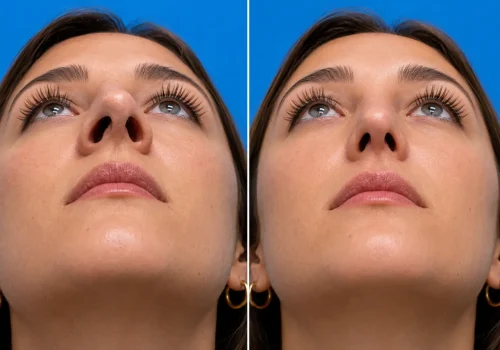
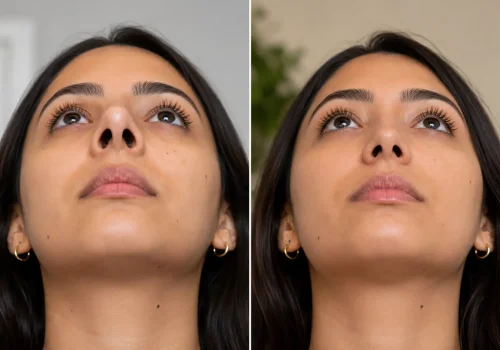
Nasal obstruction surgery is performed to improve airflow and restore healthy breathing by correcting structural problems inside the nose. Conditions such as a deviated septum, enlarged turbinates, nasal valve collapse, or chronic nasal blockage can significantly affect breathing quality, sleep, and daily comfort. Prof. Dr. Hasan Demirhan provides personalized treatment plans designed to address both functional concerns and the underlying nasal structure. Using advanced surgical techniques, the goal of treatment is to improve breathing function while preserving the natural appearance and balance of the nose.
What Is Nasal Obstruction Surgery?
Nasal obstruction surgery is a functional procedure designed to improve airflow through the nose by correcting structural problems that interfere with normal breathing. Patients may experience chronic nasal congestion, difficulty breathing through the nose, snoring, sleep disturbances, or reduced airflow caused by conditions such as a deviated septum, enlarged turbinates, nasal valve collapse, or other internal nasal blockages. The goal of surgery is to restore proper nasal function and improve overall breathing comfort.
If you regularly experience blocked nasal passages, difficulty breathing during physical activity or sleep, or long-term nasal congestion that does not improve with medication, nasal obstruction surgery may be an effective solution. Treatment is carefully planned according to each patient’s nasal anatomy and functional needs to improve airflow while maintaining the natural structure and appearance of the nose. Using advanced surgical techniques, the procedure aims to provide long-term breathing improvement and enhanced daily quality of life.
WHAT MAKES PROF. DR. HASAN DEMIRHAN SPECIAL?
Hear from Our Patients

How Much Does Nasal Obstruction Surgery Cost?
The cost of nasal obstruction surgery can vary depending on the underlying cause of the blockage, the complexity of the procedure, and whether additional functional nasal corrections are required. Every treatment plan is personalized according to the patient’s nasal anatomy, breathing condition, and overall functional needs.
During the consultation process, a detailed nasal examination is performed to identify the source of the obstruction and determine the most appropriate surgical approach.
The total cost of nasal obstruction surgery may vary based on several factors, including:
- Severity and complexity of the nasal obstruction
- Type of functional correction required
- Surgeon’s expertise and surgical planning
- Anesthesia and operating room fees
- Hospital or clinic facilities
- Medications and post-operative care
- Additional procedures such as septoplasty or turbinate reduction
The primary goal of treatment is to restore healthy airflow, improve breathing comfort, and provide long-term functional improvement with a personalized surgical approach.
Benefits of Nasal Obstruction Surgery
Quality of Life Benefits
- Helps patients breathe more comfortably throughout the day
- Supports better physical activity and exercise tolerance
- Reduces discomfort caused by constant nasal blockage
- Improves overall sleep and nighttime breathing comfort
- Helps create a more refreshed and energized feeling
- Provides long-term improvement in nasal function
- Enhances daily comfort and overall well-being
- Supports a healthier and more active lifestyle
Functional Benefits
- Improves airflow through the nasal passages
- Helps correct a deviated septum and blockage
- Reduces chronic nasal congestion and obstruction
- Supports healthier breathing during daily activities
- Can reduce snoring and mouth breathing at night
- May improve sleep quality and overall comfort
- Restores proper nasal structure and function
- Contributes to better long-term breathing performance
What Are the Different Nasal Obstruction Surgery Techniques?
Septoplasty
Septoplasty is a surgical procedure performed to correct a deviated septum and improve airflow through the nasal passages. The procedure focuses on straightening the cartilage and bone inside the nose to reduce blockage and restore healthier breathing. Septoplasty is commonly recommended for patients experiencing chronic nasal congestion, breathing difficulty, snoring, or sleep disturbances caused by structural obstruction.
Benefits of septoplasty may include:
- Improved airflow and breathing function
- Reduced nasal blockage and congestion
- Better sleep quality and nighttime breathing
- Relief from chronic mouth breathing
- Long-term improvement in nasal airflow
This procedure is often combined with additional functional nasal treatments when necessary to achieve more comprehensive breathing improvement.
Turbinate Reduction Surgery
Turbinate reduction surgery is performed to reduce the size of enlarged nasal turbinates that may be blocking airflow inside the nose. The treatment helps create more space within the nasal passages while preserving the important function of the turbinate tissues. It is commonly recommended for patients with chronic nasal obstruction that does not improve with medication or allergy treatments.
Benefits of turbinate reduction surgery may include:
- Improved nasal airflow and breathing comfort
- Reduced chronic nasal swelling and blockage
- Better sleep quality and reduced snoring
- Easier breathing during exercise and daily activities
- Long-term relief from persistent nasal obstruction
This procedure may also be combined with septoplasty or other functional nasal surgeries for more effective breathing improvement.
Nasal Valve Repair
Nasal valve repair is performed to strengthen and support the narrowest part of the nasal airway, known as the nasal valve. Weakness or collapse in this area can significantly restrict airflow and lead to breathing difficulties, especially during physical activity or sleep. The procedure is designed to restore proper airflow by improving the structural support of the nasal passages while preserving the natural appearance of the nose. Nasal valve repair can help improve breathing comfort, reduce airflow obstruction, support long-term nasal stability, and enhance overall daily quality of life. Depending on the patient’s needs, the procedure may also be combined with septoplasty or other functional nasal surgeries for more comprehensive breathing improvement.
Am I a Good Candidate for Nasal Obstruction Surgery?
You may be a suitable candidate for nasal obstruction surgery if you:
- Experience chronic nasal blockage or congestion
- Have difficulty breathing through one or both nostrils
- Suffer from a deviated septum or nasal valve collapse
- Experience snoring or sleep disturbances caused by poor airflow
- Have breathing difficulties during exercise or physical activity
- Do not respond well to medications or other non-surgical treatments
- Frequently breathe through your mouth due to nasal obstruction
- Are in good overall physical and mental health
- Have realistic expectations about the outcome of surgery
- Want long-term improvement in breathing comfort and nasal function
A detailed nasal examination and consultation are essential to identify the cause of the obstruction and determine the most appropriate treatment plan for your individual needs.
Additional Types of Nose Surgery
Turbinate Reduction Surgery
Turbinate reduction surgery is performed to reduce the size of enlarged turbinates that block airflow inside the nose. The procedure helps open the nasal passages while preserving the natural function of the turbinate tissues. It is commonly recommended for patients experiencing chronic congestion, allergy-related swelling, or long-term breathing difficulties that do not improve with medication.
Benefits of turbinate reduction surgery may include:
- Improved nasal airflow and breathing comfort
- Reduced chronic nasal congestion and swelling
- Better sleep quality and nighttime breathing
- Easier breathing during physical activity
- Long-term improvement in nasal function
This procedure is often combined with other functional nasal surgeries for more comprehensive breathing improvement.
Functional Endoscopic Sinus Surgery (FESS)
Functional Endoscopic Sinus Surgery, commonly known as FESS, is a minimally invasive procedure used to improve sinus drainage and restore healthy airflow within the nasal and sinus passages. Using specialized endoscopic instruments, the surgery helps treat chronic sinus blockage, recurrent infections, and inflammation that contribute to breathing problems and nasal obstruction.
Patients may consider FESS to:
- Improve chronic sinus congestion and pressure
- Reduce recurrent sinus infections
- Restore healthier sinus drainage
- Improve airflow through the nasal passages
- Enhance overall breathing comfort and quality of life
The procedure is carefully planned according to the patient’s sinus anatomy and severity of obstruction.
Chronic Sinusitis Surgery
Chronic sinusitis surgery is performed to treat long-term sinus inflammation and blockage that does not respond to medication or other conservative treatments. Persistent sinus swelling and obstruction can lead to nasal congestion, facial pressure, headaches, and difficulty breathing. The procedure focuses on improving sinus ventilation and restoring healthier nasal function.
Benefits of chronic sinusitis surgery may include:
- Reduced sinus pressure and facial discomfort
- Improved nasal airflow and breathing quality
- Fewer recurring sinus infections
- Better sinus drainage and ventilation
- Long-term relief from chronic congestion symptoms
This procedure may be combined with additional functional nasal treatments when necessary.
Nasal Polyp Removal Surgery
Nasal polyp removal surgery is performed to remove soft, non-cancerous growths inside the nasal passages or sinuses that can interfere with normal breathing. Large or multiple nasal polyps may cause chronic congestion, reduced airflow, snoring, and decreased sense of smell. The procedure helps restore clearer nasal passages and improve breathing comfort.
Nasal polyp removal surgery may help:
- Improve airflow through the nasal passages
- Reduce chronic nasal blockage and congestion
- Restore healthier breathing during sleep and activity
- Improve sense of smell and nasal comfort
- Reduce recurring sinus-related symptoms
Depending on the patient’s condition, the procedure may also be combined with sinus surgery or other functional nasal treatments for more comprehensive results.
What Does Nasal Obstruction Surgery Involve?
Every nasal obstruction surgery is customized according to the patient’s nasal anatomy, breathing difficulties, and the underlying cause of airflow restriction. Depending on the complexity of the condition and the procedures being performed, surgery is typically carried out under local anesthesia with sedation or general anesthesia.
Although each treatment plan is personalized, nasal obstruction surgery commonly involves the following steps:
- Anesthesia: The procedure is performed under local anesthesia with sedation or general anesthesia to ensure patient comfort throughout surgery.
- Internal Nasal Examination: The underlying structural causes of obstruction, such as septal deviation, turbinate enlargement, or nasal valve collapse, are carefully evaluated during the procedure.
- Functional Correction: Blocked or narrowed nasal passages are corrected to improve airflow and restore healthier breathing function.
- Structural Support: In some cases, cartilage grafts or supportive techniques may be used to strengthen weakened nasal structures and maintain long-term airway stability.
- Tissue Reduction: Enlarged tissues such as the turbinates may be reduced to create more space within the nasal passages and improve airflow.
- Closing the Incisions: Once the necessary corrections are completed, the tissues are carefully repositioned and the incisions are closed to support proper healing and recovery.
What Can I Expect During
Nasal Obstruction Surgery Recovery?
Mild swelling, congestion, and temporary discomfort are common during the early stages of recovery after nasal obstruction surgery. Most patients experience improved airflow gradually as internal swelling decreases during the healing process. Depending on the procedure performed, temporary nasal stuffiness or mild pressure may occur during the first days after surgery. Rest, prescribed medications, and proper post-operative care can help support a smoother recovery.
In some cases, internal splints or soft nasal supports may be placed temporarily to help stabilize the nasal structures during healing. Most patients describe the recovery as manageable and are able to return to light daily activities within a short period, depending on the extent of the procedure.
For the smoothest recovery, patients are generally advised to:
- Take several days away from work or strenuous activities
- Avoid heavy exercise and intense physical activity for a few weeks
- Sleep with the head elevated to help reduce swelling
- Avoid blowing the nose during the early healing period
- Follow all post-operative care instructions carefully
Breathing improvement typically becomes more noticeable as swelling subsides, and full healing continues gradually over the following weeks.
Nasal Obstruction Surgery Recovery Tips
- Use saline nasal spray as recommended to keep the nasal passages clean and moisturized during healing.
- Apply cold compresses around the eyes and cheeks during the first few days to help reduce swelling and discomfort.
- Sleep with your head elevated to support proper drainage and minimize swelling.
- Avoid strenuous exercise, heavy lifting, and intense physical activity for several weeks after surgery.
- Follow all prescribed medications and post-operative care instructions carefully.
- Stay hydrated and maintain a healthy, balanced diet to support the healing process.
- Avoid smoking and alcohol during recovery, as they can slow healing and irritate nasal tissues.
- Protect your nose from pressure or accidental impact while healing.
- Attend all scheduled follow-up appointments to monitor healing and breathing improvement.
- Be patient during recovery, as swelling inside the nose may take time to fully resolve and breathing will gradually continue to improve.
Why Choose Prof. Dr. Hasan Demirhan for Nasal Obstruction Surgery?
Prof. Dr. Hasan Demirhan combines advanced functional nasal surgery expertise with a patient-focused approach to help patients breathe more comfortably and improve overall nasal function. Every treatment plan is carefully tailored to the patient’s nasal anatomy, severity of obstruction, and long-term functional needs to achieve safe and effective results.
Patients choose Prof. Dr. Hasan Demirhan for nasal obstruction surgery because of his:
- Extensive experience in functional and reconstructive nasal surgery
- Personalized treatment planning for every patient
- Advanced techniques for correcting breathing and airflow problems
- Focus on long-term nasal function and structural stability
- Careful evaluation of deviated septum, nasal valve collapse, and turbinate enlargement
- Conservative approach that preserves healthy nasal tissue whenever possible
- Commitment to patient safety, comfort, and natural healing
- Detailed consultation and comprehensive post-operative follow-up care
From the initial evaluation through recovery, patients receive individualized care designed to improve breathing quality, support healthy nasal function, and provide lasting relief from chronic nasal obstruction.
Nasal Obstruction Surgery
FAQ
What is Nasal Obstruction Surgery?
Nasal Obstruction Surgery is a functional procedure designed to improve airflow through the nose by correcting structural issues such as a deviated septum, enlarged turbinates, collapsed nasal valves, or other causes of nasal blockage. The goal is to restore comfortable breathing and improve overall nasal function.Bichectomy, also known as buccal fat removal, is a cosmetic facial contouring procedure that removes excess fat pads from the cheeks to create a slimmer and more defined facial appearance.
Will Nasal Obstruction Surgery leave visible scars?
In most cases, no. Many nasal obstruction procedures are performed entirely through incisions inside the nose, leaving no visible external scars. If an external approach is required, any resulting scars are typically minimal and well concealed.
How long does recovery after Nasal Obstruction Surgery take?
Most patients can return to normal daily activities within one to two weeks. Swelling and nasal congestion gradually improve during the healing process, while full internal healing and optimal breathing results continue to develop over the following weeks and months.
Are the results of Nasal Obstruction Surgery permanent?
Yes. The structural corrections made during surgery are generally long-lasting and provide permanent improvement in nasal airflow. However, natural aging, trauma, allergies, or certain medical conditions may affect nasal function over time.
Who is a good candidate for Nasal Obstruction Surgery?
Good candidates are individuals who experience chronic nasal blockage, difficulty breathing through the nose, congestion that does not respond to medical treatment, or structural abnormalities that interfere with normal airflow.
Can Nasal Obstruction Surgery be combined with other nasal procedures?
Yes. Nasal Obstruction Surgery is commonly combined with septoplasty, turbinate reduction, nasal valve repair, sinus surgery, or rhinoplasty to improve both nasal function and overall nasal appearance when appropriate.