
Functional Nasal Surgery
IN TURKEY
Prof. Dr. Hasan Demirhan performs advanced functional nasal surgery procedures in Türkiye using modern surgical techniques focused on improving nasal breathing and sinus function while preserving the natural anatomy of the nose. Every treatment plan is carefully individualized according to the patient’s symptoms, anatomical structure, and functional needs.
Functional Nasal Surgery: Modern Approaches for Nasal Breathing and Sinus Health
The nose is not only a central aesthetic structure of the face but also a vital organ responsible for healthy breathing, air filtration, humidification, and sinus ventilation. Structural or inflammatory conditions affecting the nasal airway may significantly reduce quality of life and lead to chronic breathing difficulties.
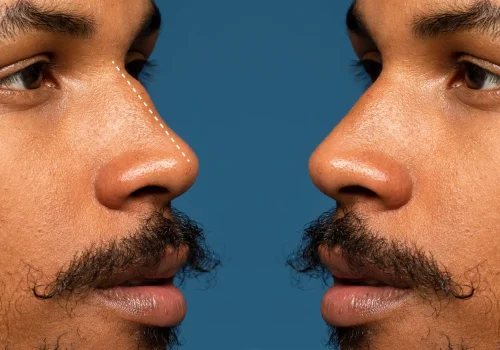
Functional nasal surgery includes a group of procedures designed to restore healthy nasal airflow and improve sinus function while preserving the natural anatomy of the nose.
What Is Functional Nasal Surgery?
Functional nasal surgery focuses on correcting structural or mucosal problems that interfere with normal nasal breathing and sinus drainage.
Patients commonly present with symptoms such as:
- Nasal obstruction
- Difficulty breathing through the nose
- Chronic nasal congestion
- Recurrent sinus infections
- Facial pressure or headaches
- Sleep-related breathing problems
- Reduced quality of sleep and daily comfort
Treatment planning depends on detailed examination, endoscopic evaluation, and when necessary, radiologic imaging.



Functional Nasal Surgery Procedures
Septoplasty
Septoplasty is a surgical procedure performed to correct deviation of the nasal septum — the cartilage and bone structure dividing the nasal passages.
A deviated septum may cause:
- Unilateral or bilateral nasal obstruction
- Chronic mouth breathing
- Snoring
- Recurrent sinus problems
- Difficulty during exercise or sleep
The primary goal of septoplasty is to improve nasal airflow while preserving structural support and maintaining the natural anatomy of the nose.
Modern septal surgery aims not only to straighten the septum, but also to optimize both function and long-term nasal stability.
Turbinate Reduction with Radiofrequency
The inferior turbinates are normal structures inside the nose that help humidify and regulate airflow. However, in some patients, turbinate enlargement may contribute significantly to chronic nasal obstruction.
Radiofrequency turbinate reduction is a minimally invasive technique used to decrease turbinate volume while preserving the natural mucosal function of the nose.
Advantages of radiofrequency treatment include:
- Minimal tissue trauma
- Reduced bleeding
- Faster recovery
- Preservation of nasal physiology
- Improved breathing comfort
This procedure is often combined with septoplasty for more effective airway improvement.
Endoscopic Sinus Surgery
Endoscopic sinus surgery is a modern minimally invasive technique used in the treatment of chronic sinus disease and impaired sinus drainage pathways.
Using high-definition endoscopic systems, surgery is performed through the nostrils without external incisions.
Conditions commonly treated with endoscopic sinus surgery include:
- Chronic sinusitis
- Nasal polyps
- Recurrent sinus infections
- Certain sinus cysts or anatomical obstructions
- Selected skull base and sinonasal conditions
The primary objective is to restore natural sinus ventilation and drainage while preserving healthy tissue as much as possible.
Importance of Individualized Treatment
Not every patient with nasal obstruction requires the same surgical approach. In many cases, multiple anatomical and functional factors coexist.
Successful functional nasal surgery depends on:
- Accurate diagnosis
- Detailed anatomical evaluation
- Proper surgical planning
- Preservation of normal nasal physiology
For this reason, treatment should always be individualized according to the patient’s symptoms, anatomy, and lifestyle needs.
Why Choose Prof. Dr. Hasan Demirhan for Functional Nasal Surgery?
Prof. Dr. Hasan Demirhan combines advanced ENT surgical expertise with modern functional nasal surgery techniques to provide individualized treatment focused on restoring healthy breathing and sinus function. Every procedure is carefully planned according to the patient’s anatomy, symptoms, and long-term functional goals.
Patients choose Prof. Dr. Hasan Demirhan for functional nasal surgery because of his:
- Extensive experience in functional nasal and sinus surgery
- Advanced endoscopic surgical expertise
- Personalized treatment planning for every patient
- Focus on preserving natural nasal physiology
- Modern minimally invasive surgical techniques
- Detailed anatomical and functional evaluation
- Commitment to patient safety and long-term outcomes
- Comprehensive postoperative follow-up care
From consultation through recovery, patients receive individualized care designed to improve breathing quality, sinus health, and overall daily comfort.
Conclusion
Functional nasal surgery encompasses modern surgical techniques aimed at improving nasal breathing and sinus health while preserving natural function and anatomy. Procedures such as septoplasty, radiofrequency turbinate reduction, and endoscopic sinus surgery can significantly improve breathing quality and overall daily comfort when performed with proper patient selection and surgical planning.
If you are experiencing chronic nasal obstruction, sinus-related complaints, or difficulty breathing through your nose, a detailed evaluation is essential to determine the most appropriate treatment approach.
Functional Nasal Surgery
FAQ
What is functional nasal surgery?
Functional nasal surgery includes procedures designed to improve nasal breathing and sinus function by correcting structural or inflammatory problems affecting the nasal airway.
What conditions can functional nasal surgery treat?
Functional nasal surgery may help treat nasal obstruction, deviated septum, chronic sinusitis, turbinate enlargement, nasal polyps, and certain sinus drainage problems.
What is septoplasty?
Septoplasty is a surgical procedure performed to correct deviation of the nasal septum in order to improve airflow and breathing function.
Is turbinate reduction painful?
Radiofrequency turbinate reduction is generally considered a minimally invasive procedure associated with limited discomfort and relatively fast recovery.
What is endoscopic sinus surgery?
Endoscopic sinus surgery is a minimally invasive technique performed through the nostrils using endoscopic systems to improve sinus drainage and treat chronic sinus disease.
How long is recovery after functional nasal surgery?
Recovery varies depending on the specific procedure performed, but many patients experience gradual improvement in breathing and comfort over several weeks following surgery.